
Returning to exercise after Gynecomastia surgery should be gradual and guided by your surgeon’s instructions. Although many patients can begin gentle movement relatively soon, strenuous workouts should usually wait until the chest has had adequate time to heal. The exact timeline depends on the surgical technique, amount of tissue removed, individual healing, and whether complications occur. Walking is often encouraged early because light movement can support general recovery without placing excessive stress on healing tissues. Before restarting your normal routine, confirm that your surgeon considers your activity level appropriate for your stage of recovery.
Understanding the Exercise Recovery Timeline
During the first several days after Gynecomastia surgery, your priority should be rest, short walks, and protecting the treated area. Avoid activities that cause significant chest movement, stretching, or pressure. As discomfort and swelling begin to decrease, your surgeon may allow you to gradually increase everyday activity. Light exercise may be introduced before more demanding workouts, but there is no universal schedule that applies to every patient. Your provider should determine when specific activities are appropriate based on your healing progress, surgical details, and postoperative examination.
When Can You Start Walking?
Walking is generally one of the easiest activities to reintroduce after surgery. Short, relaxed walks around your home or outside may be appropriate during early recovery if your surgical team approves. Start slowly and increase duration as your energy improves, rather than trying to return immediately to your previous fitness level. Pay attention to warning signs such as increasing pain, swelling, drainage, or unusual discomfort. If these symptoms occur, stop exercising and contact your medical provider. Walking should feel comfortable and should not place strain on healing incisions or the chest.
When Can You Resume Cardio?
Cardiovascular workouts such as running, cycling, and high-intensity training require more caution because they can increase heart rate, sweating, and movement around the chest. Your surgeon may recommend waiting until your initial healing period has progressed before resuming these activities. Once cleared, begin with lower-impact cardio and shorter sessions, then gradually build intensity. Avoid pushing through pain or significant swelling. Wearing any recommended postoperative compression garment during approved activities may provide support, but follow your surgeon’s specific instructions about when and how it should be used during exercise.
What About Weightlifting?
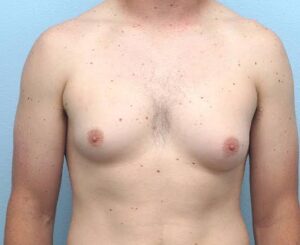
Weightlifting typically requires a longer recovery period because exercises such as bench presses, push-ups, dips, and heavy upper-body movements place direct stress on the chest and surrounding muscles. Even when you feel energetic, internal tissues may still be healing. Your surgeon may therefore recommend delaying chest and upper-body strength training until sufficient recovery has occurred. When you receive clearance, restart with light resistance and controlled movements instead of immediately returning to previous weights. Gradually increasing resistance allows you to evaluate how your chest responds without unnecessarily stressing healing tissues.
Men seeking Gynecomastia treatment in Bluffton, SC, can benefit from a personalized recovery plan that considers their procedure and lifestyle. Sculpt Cosmetic Surgery focuses on individualized care, helping patients understand what to expect before and after chest-contouring procedures. Exercise recommendations can vary according to whether treatment involves liposuction, glandular tissue removal, or a combination of techniques. Patients can learn more about the practice through sculpt-cosmeticsurgery.com. During consultation and follow-up visits, discussing fitness goals with your surgical team can help establish a realistic and safe pathway back to regular workouts.
Ultimately, the safest approach after Gynecomastia surgery is to let healing determine your pace rather than using a fixed exercise deadline. Light movement may return earlier, while vigorous cardio, heavy lifting, and chest-focused exercises generally require additional healing time and professional clearance. Keep all follow-up appointments and report unexpected symptoms promptly. Your surgeon can assess swelling, incision healing, and overall recovery before recommending the next level of activity. By progressing gradually and respecting postoperative restrictions, you can protect your results while working toward a comfortable return to your normal fitness routine.
